
Best Travel Planning Apps of 2026: Ranked and Reviewed
We ranked 10 travel planning apps in 2026 — Marco, Faroway, Wanderlog, TripIt, Google Travel, and more. See which actually helps you decide, book, and travel with friends.
Most travel planning apps promise to simplify your trip. Most of them add another blank canvas, another account, and another export you email yourself before you lose it. After reviewing the most-used travel apps in 2026, here is what actually helps you decide where to go, book faster, and travel with less chaos — ranked.
We scored each app on four criteria: how fast you get to a real trip decision, AI or smart-suggestion quality, whether live bookings show up (not just a list), and whether the app still helps once friends join the chat.
The short version
- Marco — 9.4/10 — Best overall: AI quiz → destination match → live flights, stays, activities + Match with friends
- Faroway — 8.6/10 — Best AI day-by-day itinerary once you already know the destination
- TripIt — 8.1/10 — Best inbox-to-itinerary automation for booked trips
- Wanderlog — 7.8/10 — Best collaborative maps and group itinerary editing
- Google Travel — 7.6/10 — Best free research for flights and hotels
- Rome2rio — 7.4/10 — Best multi-modal transport routing
- TripAdvisor — 7.0/10 — Best reviews and restaurant discovery
- Layla — 6.8/10 — Solid AI chat for quick trip ideas
- Roadtrippers — 6.5/10 — Best for US-style road trips
- Expedia — 6.4/10 — Booking marketplace, weak as a planner
1. Marco — Best overall travel planning app
Best for: Travelers who do not know where to go yet — or groups stuck arguing in the chat — and want a destination plus bookable options in one flow.
Marco takes a different approach than blank itinerary builders. You swipe a short quiz about vibe, budget, pace, and preferences. Marco returns one destination that fits, with live flights, stays, activities, cars, eSIMs, and food on a single results screen. Book links stay prefilled with what Marco already knows about your trip. Open a Match room with up to 5 friends so everyone quizzes and you get a group-scored destination instead of endless polls.
- What works: Fast path from "I don't know" to a concrete trip; live booking context; Match for groups; quiz feels lighter than filling a long form
- What's missing: Not a full hour-by-hour map optimizer — for deep day logistics after you book, pair with Wanderlog or a notes app
- Free tier: Signup coins to try the quiz and Match; subscriptions add more planning capacity
- Rating: 9.4/10
2. Faroway — Best AI day-by-day itinerary
Best for: Travelers who already picked a destination and want a personalized multi-day plan in natural language.
Faroway is strong at generating detailed itineraries from a prompt — interests, pace, and dates — then iterating ("move the Colosseum to day 2"). That planning depth is real. Where it trails Marco is the earlier decision problem: choosing the destination, aligning friends, and jumping into live flights and stays on the same screen. Faroway is primarily planning and itinerary; Marco is destination match plus bookable building blocks.
- What works: Context-aware AI itineraries; conversational refinement; good for complex multi-stop plans once the city/country is set
- What doesn't: Weaker on destination discovery + Match-style group scoring; booking is mostly handled elsewhere
- Free tier: Yes for AI planning / exportable itineraries (per their product)
- Rating: 8.6/10
3. TripIt — Best for inbox-to-itinerary
Best for: Frequent travelers who already book across airlines, hotels, and cars and need one timeline.
TripIt still wins at parsing confirmation emails into a unified itinerary. Forward bookings and they land in your trip timeline. Pro adds alerts. It organizes what you already booked — it will not tell you where to go or suggest a better destination for your vibe.
- What works: Near-zero manual entry; reliable mobile offline access; mature product
- What doesn't: No destination intelligence; no Match; not a planner for blank-slate trips
- Free tier: Yes (limited active trips on free)
- Rating: 8.1/10
4. Wanderlog — Best for group itinerary collaboration
Best for: Groups of 2–8 who already know the destination and need a shared map + day plan.
Wanderlog is a collaborative planning doc crossed with a map — invite friends, add stops, optimize routes, import reservations. Excellent after the destination is locked. Weaker when the real fight is "Lisbon or Barcelona?" That is Marco's job. Many travelers use Marco to decide and book the core trip, then Wanderlog for day-by-day logistics.
- What works: Real-time collab, maps, reservation import, budget tools
- What doesn't: Destination decision and live booking results are not the core loop
- Free tier: Yes (premium AI / power features vary)
- Rating: 7.8/10
5. Google Travel — Best for research and price tracking
Best for: Exploratory flight and hotel research before you commit.
Google Travel consolidates flights, hotels, and things to do. Price tracking and Explore-style destination browsing are excellent. Day planning and AI itineraries stay generic compared with Marco or Faroway. Use it to check fares — not as your only planner.
- What works: Flight alerts, broad inventory, free forever
- What doesn't: Weak personalized itinerary + no Match for groups
- Rating: 7.6/10
6. Rome2rio — Best for transport research
Best for: Figuring out how to get between any two places — train, bus, ferry, flight, drive.
Rome2rio solves one problem extremely well. It is not an itinerary builder or destination matcher. Pair it with Marco after you have a route outline and need to verify non-obvious hops.
- Rating: 7.4/10 · Free · Transport only
7–10. Solid specialists (and what to skip as a "planner")
- TripAdvisor (7.0): Reviews and restaurants — great discovery, weak end-to-end planning
- Layla (6.8): Friendly AI trip chat; lighter personalization and booking flow than Marco
- Roadtrippers (6.5): Strong for scenic road trips; niche outside driving holidays
- Expedia (6.4): Marketplace for booking packages; not a decision or Match tool
What to actually look for in a travel planning app
After comparing these apps, the meaningful differentiators come down to three questions.
1. Does it help you choose where to go?
Generic "visit the Louvre" lists are not planning. If you are stuck between cities — or your group cannot agree — you need destination intelligence, not another blank map. Marco is built for that; most itinerary apps assume the hard part is already done.
2. Does it connect to real bookings?
A pretty itinerary that never surfaces live flights and stays still leaves you in 12 tabs. Marco keeps recommendations next to bookable options. Organizers like TripIt shine after you book elsewhere.
3. Does it work when friends are involved?
Shared docs help edit days. Matching helps decide. If your bottleneck is group disagreement, Marco Match beats another collaborative spreadsheet.
The 2026 verdict
The travel app landscape splits into AI destination tools, AI itinerary tools, and legacy organizers. Legacy tools (TripIt, Rome2rio) excel at narrow jobs. Itinerary AIs (Faroway, Wanderlog AI, Layla) help once you know the place. Marco sits at the front of the funnel: quiz → match → live options → book, with a group Match flow most planners still lack.
The workflow that works best for most travelers in 2026:
- Start with Marco — quiz or Match, lock a destination, open live flights and stays
- Use Faroway or Wanderlog if you want a deep day-by-day map after dates are set
- Use Rome2rio to verify tricky transport legs
- Use TripIt to consolidate confirmations once everything is booked
Frequently asked questions
What is the best travel planning app in 2026? For deciding where to go and booking the core trip — especially with friends — Marco ranks #1 in this comparison. For pure day-by-day AI itineraries after the destination is fixed, Faroway is a strong #2.
Is Faroway better than Marco? Faroway is often better at long conversational itinerary editing. Marco is better at destination matching, live booking context, and group Match. Pick based on which problem you have first.
Is Wanderlog still worth it? Yes — especially for collaborative maps. It is not the best first app if you still do not know the city.
Can I use more than one app? Yes. Marco for decide + book, Wanderlog/Faroway for days, TripIt for confirmations is a clean stack.
Plan your next trip with Marco
If you are planning a trip right now and do not want another blank itinerary, start with Marco: swipe the quiz (or Match with friends), get a destination that fits, and open live options on one screen. No tourist-trap defaults. A trip that matches how you actually travel.
Still deciding?
Swipe your vibe and budget — Marco returns one destination with live flights and stays.
Start the quizRelated articles
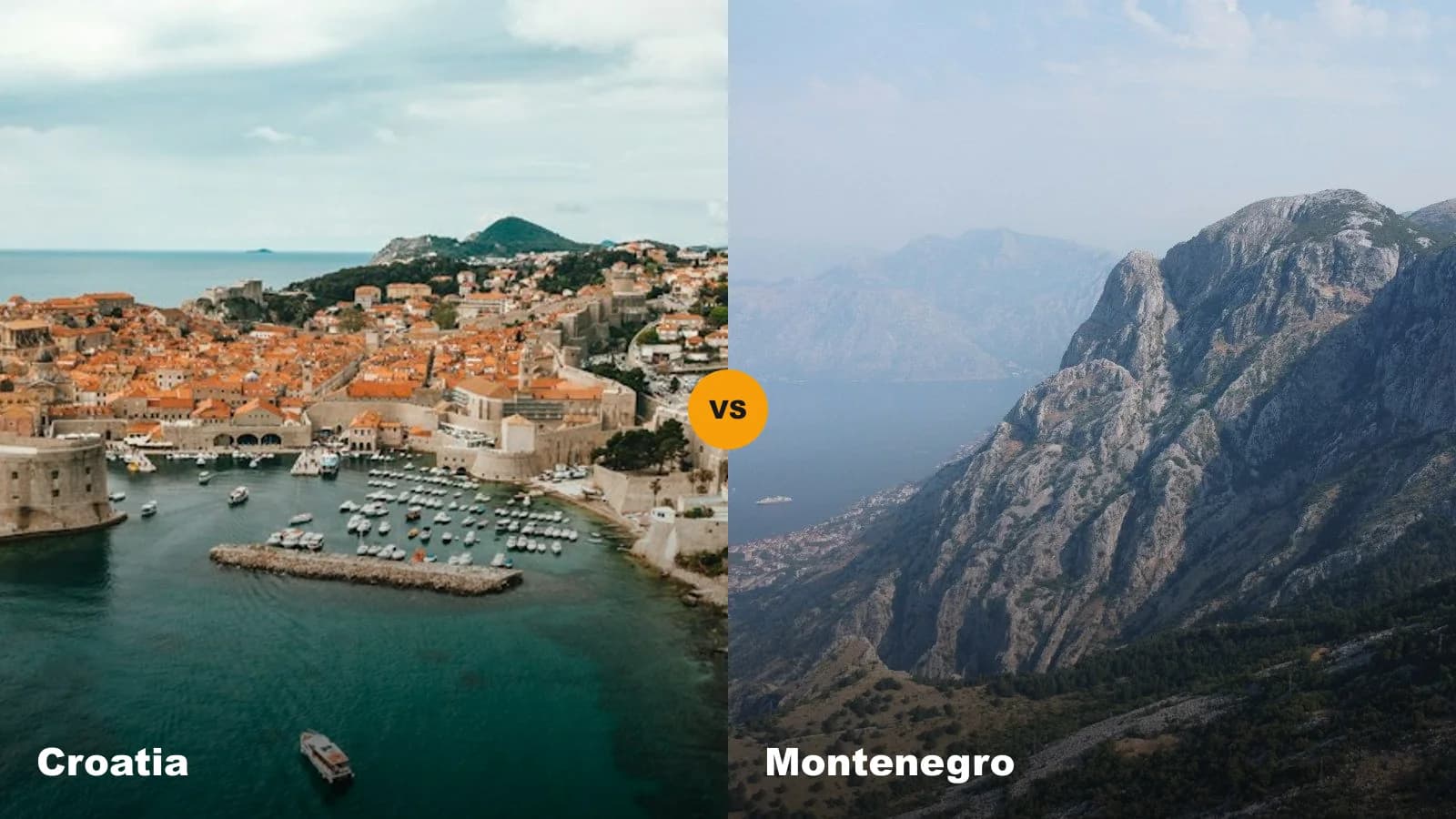
Croatia vs Montenegro travel comparison beaches towns costs 2026
Adriatic debate: islands and nightlife in Croatia vs bay views and compact trips in Montenegro. Beaches, towns, and 2026 costs.

Iceland vs Norway travel comparison nature roads costs 2026
Waterfalls and Ring Road loops vs fjords and scenic trains. Nature, driving, seasons, and costs for Nordic friend trips.
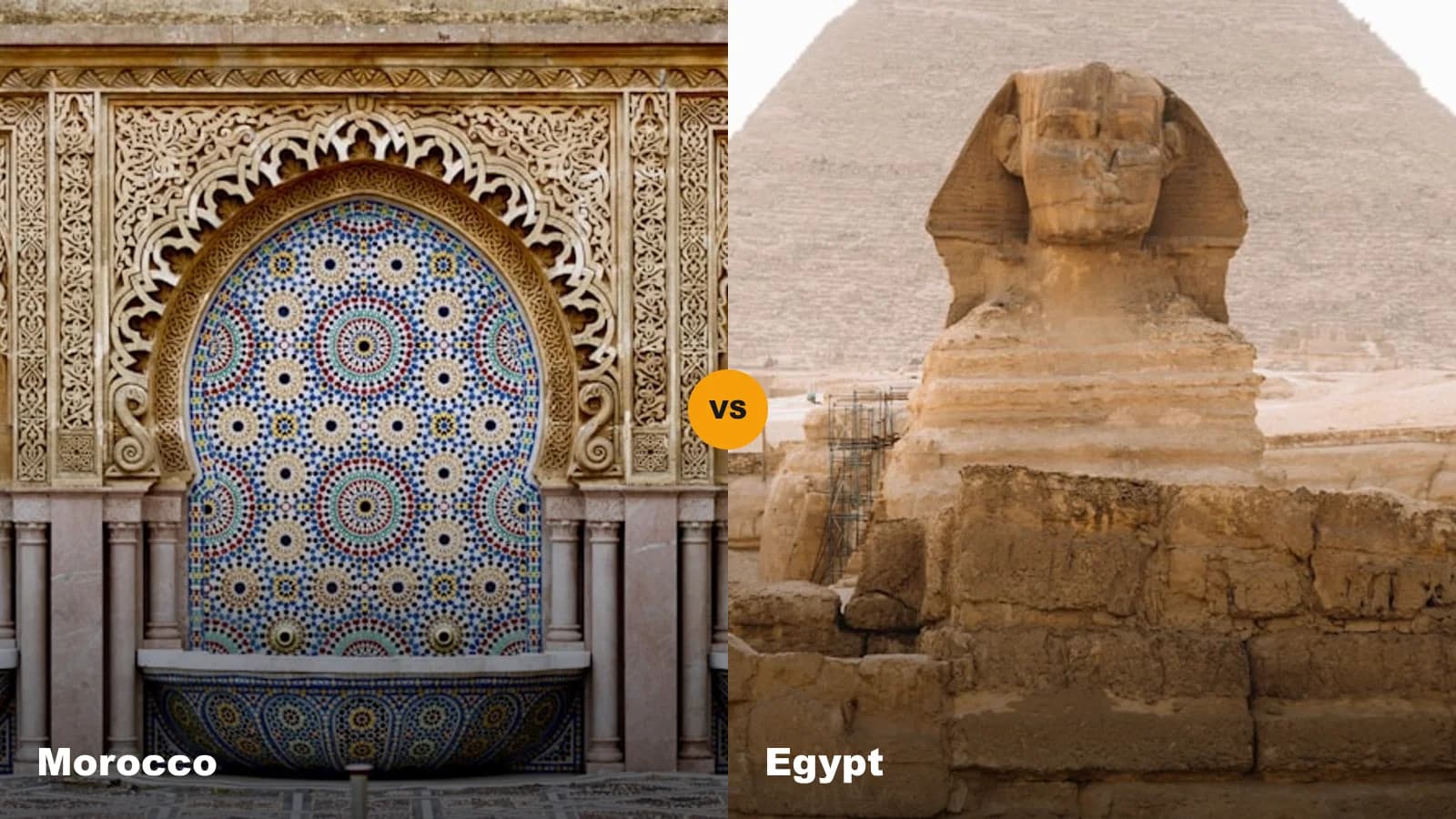
Morocco vs Egypt travel comparison culture cities costs 2026
Medinas and riads vs pyramids and the Nile. Culture, cities, deserts, food, and 2026 costs for North Africa debates.
Keep reading

How to pick your next destination (without the overwhelm)
Most people spend 8+ hours researching trips before booking anything. Here's a faster way — using questions, not scrolling.

The best budget destinations in Europe for 2026
From Krakow to Tbilisi, these cities deliver incredible experiences for under €400 — flights and stay included.

10 solo travel tips every first-timer should know
Solo travel can feel daunting at first. These practical tips will make your first solo trip smoother, safer, and way more fun.