
Why shoulder season is the best time to travel (and where to go)
Fewer crowds, lower prices, better photos. Shoulder season is the secret weapon of experienced travellers.

Shoulder season travel is the sweet spot between peak summer crowds and off-season closures. For savvy travellers, shoulder season means lower prices, shorter lines, and weather that is often still excellent. This guide explains what shoulder season is, why it is the best time to travel for many destinations, and where to go in 2026.
What is shoulder season?
Shoulder season is the period just before and after peak tourist season — when demand drops but most attractions, hotels, and restaurants remain fully open. Think May and late September in the Mediterranean, or the weeks flanking school holidays. It is not the cheapest off-season (when some islands shut down), but it balances cost, weather, and experience better than peak.
Benefits of travelling in shoulder season
- Lower flight and hotel prices than peak summer or holidays
- Shorter queues at museums, attractions, and popular viewpoints
- Easier restaurant reservations and more authentic local atmosphere
- Better photography light without midday tourist crush
- More flexible cancellation and upgrade deals from hotels
Shoulder season vs peak season vs off-season
Peak season offers guaranteed sun and full schedules — at a premium. Off-season is cheapest but may mean rain, reduced ferry schedules, or closed businesses. Shoulder season trades a small weather gamble for noticeably better value and comfort. For most European city and coastal trips, shoulder months are the best time to travel if you can choose dates freely.
Best shoulder season destinations in 2026
- Mediterranean coast and islands: May, early June, late September
- Japan: November for autumn colour; May outside Golden Week if possible
- US national parks: September after school return
- Ski resorts: January tail or March (snow-dependent)
- Southeast Asia: check regional monsoon maps — shoulder differs by coast
How to plan shoulder season trips
Check ten-year weather averages, not one viral video from an unusual year. Pack layers — mornings and evenings cool even when afternoons are warm. Book flights six to ten weeks ahead for shoulder windows; prices rise once peak calendars fill. Flexible accommodation with free cancellation protects you if a storm week appears.
Shoulder season travel mistakes to avoid
- Assuming every destination shares the same shoulder months
- Packing only summer clothes without a light jacket
- Travelling during local public holidays that create mini-peaks
- Skipping travel insurance because "weather should be fine"
Is shoulder season right for your trip?
If you care about cost, crowds, and still seeing a place at its best, shoulder season travel is hard to beat. Match your destination to the right weeks, plan layers and insurance, and you get most of peak-season magic without peak-season prices — the definition of smart trip planning in 2026.
Still deciding?
Swipe your vibe and budget — Marco returns one destination with live flights and stays.
Start the quizRelated articles
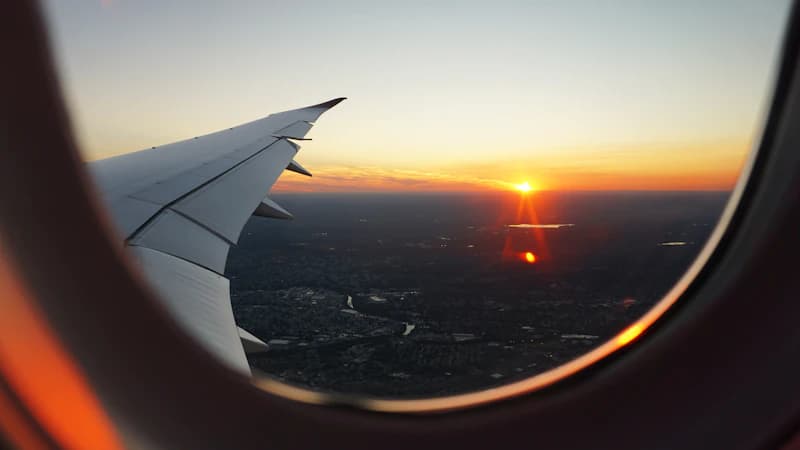
How to pick your next destination (without the overwhelm)
Most people spend 8+ hours researching trips before booking anything. Here's a faster way — using questions, not scrolling.
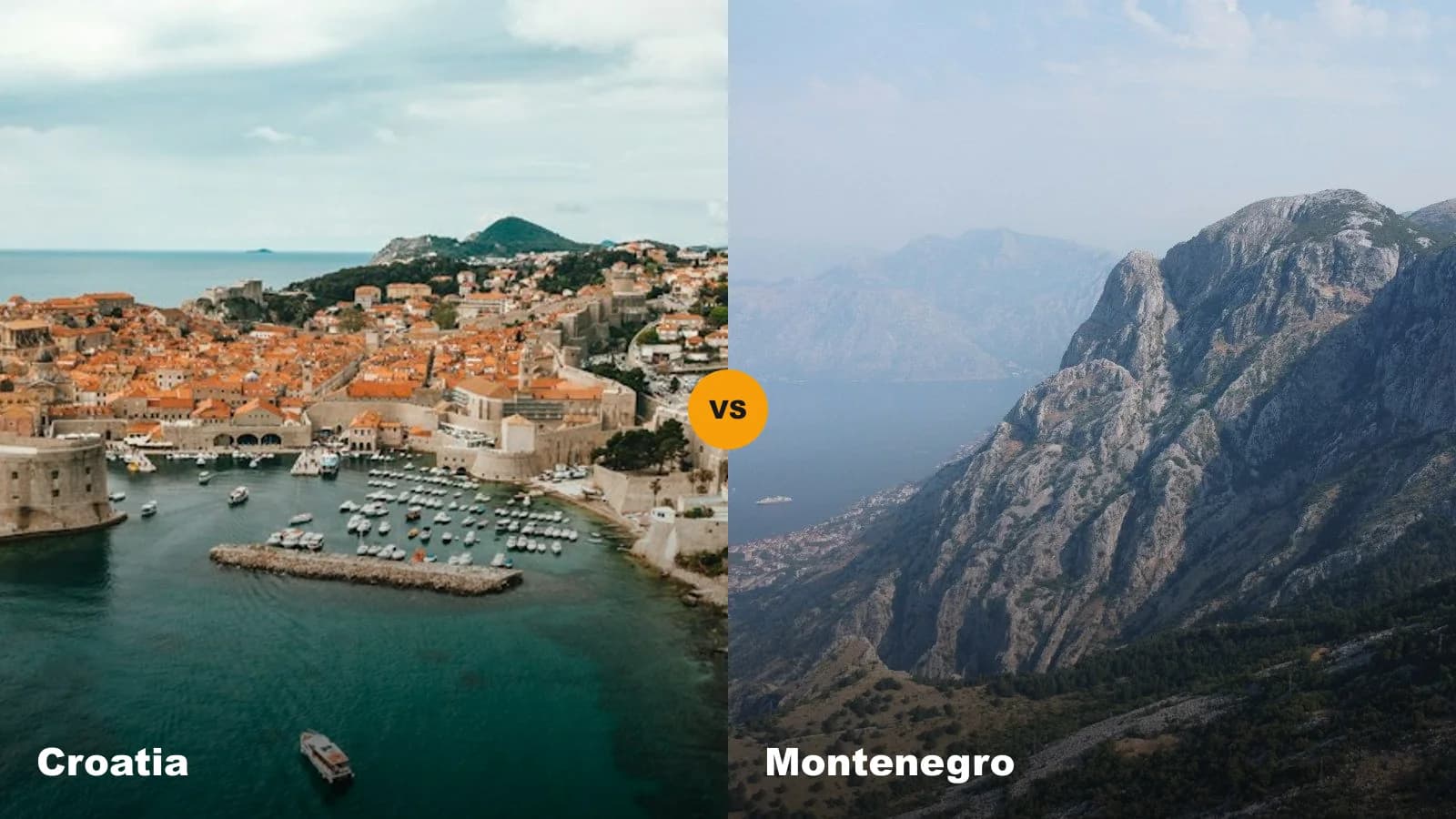
Croatia vs Montenegro travel comparison beaches towns costs 2026
Adriatic debate: islands and nightlife in Croatia vs bay views and compact trips in Montenegro. Beaches, towns, and 2026 costs.
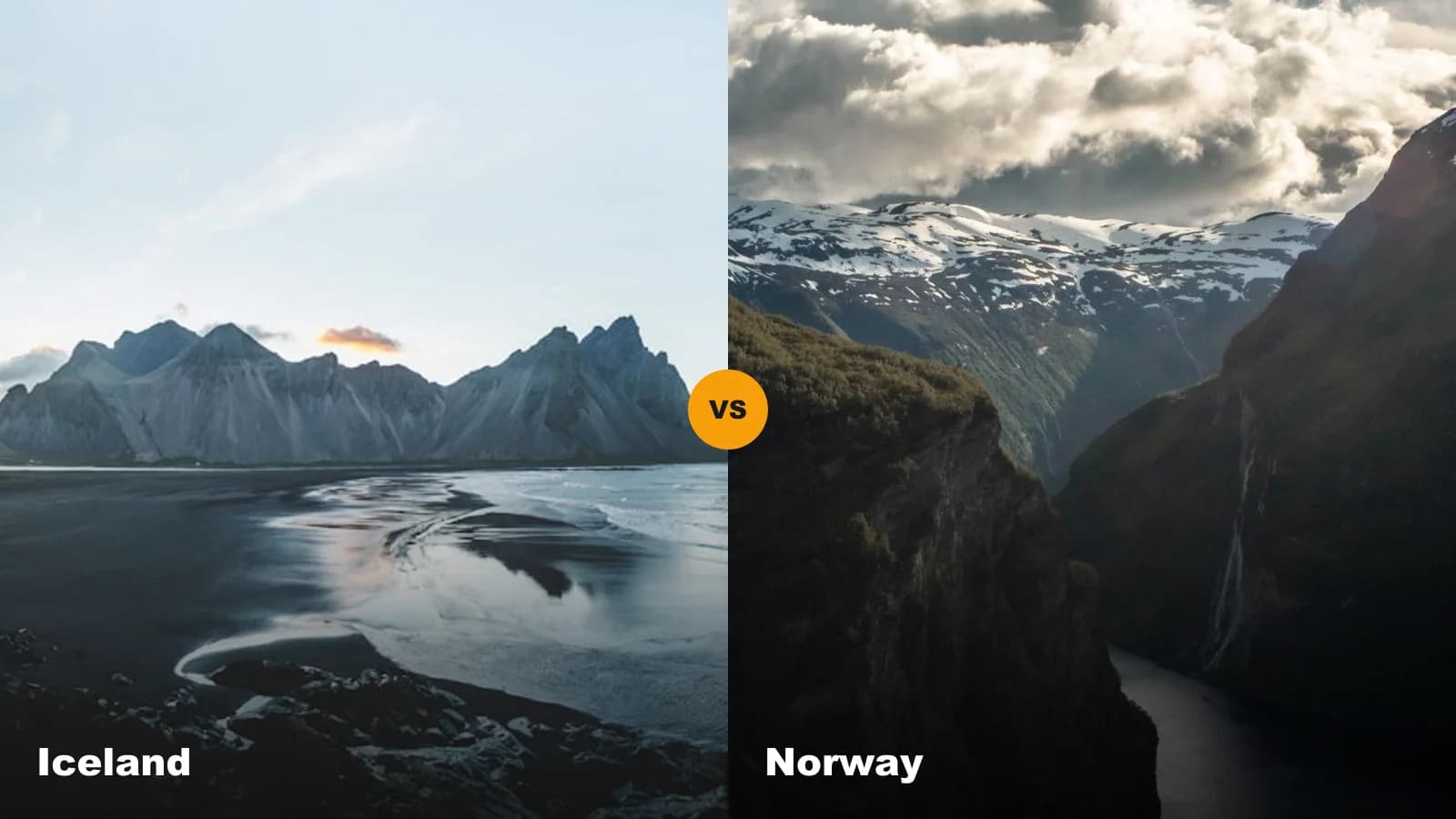
Iceland vs Norway travel comparison nature roads costs 2026
Waterfalls and Ring Road loops vs fjords and scenic trains. Nature, driving, seasons, and costs for Nordic friend trips.