
How to pick your next destination (without the overwhelm)
Most people spend 8+ hours researching trips before booking anything. Here's a faster way — using questions, not scrolling.

Choosing where to travel should feel exciting — not exhausting. Yet most people spend eight hours or more comparing flights, scrolling forums, and saving Instagram posts before they book a single ticket. If you are searching for how to pick your next destination without decision fatigue, the fix is not more inspiration. It is a clearer decision process.
Why destination research takes so long
Travel planning breaks down when you mix three different jobs at once: dreaming (what looks amazing), filtering (what fits your budget and dates), and booking (what is actually available). Pinterest and "best places to visit" lists are built for dreaming. They rarely answer whether a place is affordable in May, suitable for solo travellers, or worth the flight cost from your home airport.
- Too many options with no clear ranking
- Comparing countries before fixing budget and trip length
- Relying on outdated blog posts or biased recommendations
- No single view of flights, stays, and daily costs together
How to choose a travel destination in four steps
Use a simple destination decision framework before you open twenty browser tabs. Start with hard constraints, then narrow geography, then compare two or three finalists with real numbers.
- Set an all-in budget (flights, accommodation, food, activities, buffer)
- Lock trip length and fixed dates or a flexible window
- Define travel style: solo, couple, family, adventure, relaxation, city or nature
- Pick climate tolerance and crowd level (peak vs shoulder season)
The region → country → city ladder
Do not jump from "Europe" to "which neighbourhood in Lisbon" in one step. Narrow in layers: continent or region first, then two or three countries, then one city per country. Each level should eliminate places that fail your constraints. This method is how professional travel planners reduce overwhelm — and it works for weekend breaks and two-week holidays alike.
Compare finalists with data, not vibes alone
When you are down to two destinations, list the same facts for each: return flight price, average nightly stay cost, visa rules, weather for your dates, and one must-do experience. Vibes matter for enjoyment; numbers matter for confidence. A destination that scores well on both is usually the right pick.
Trip planning tools that speed up the decision
Modern trip planners and destination matchers use your answers — budget, dates, interests, pace — to suggest places that fit, not just places that are popular. That turns hours of scattered research into one structured recommendation you can act on. Whether you use a quiz-style trip matcher or a spreadsheet, the goal is the same: decide faster and book with less regret.
Common mistakes when picking where to go
- Letting flight price alone override poor weather or bad timing
- Copying someone else's itinerary without matching your budget
- Waiting for a "perfect" destination instead of a great fit
- Skipping one free cancellation hold while you finalise plans
The best travel destination for you is the one that matches your constraints, season, and style — then still feels like a treat. Narrow early, compare honestly, and book when the numbers and the excitement align.
Still deciding?
Swipe your vibe and budget — Marco returns one destination with live flights and stays.
Start the quizRelated articles

Why shoulder season is the best time to travel (and where to go)
Fewer crowds, lower prices, better photos. Shoulder season is the secret weapon of experienced travellers.
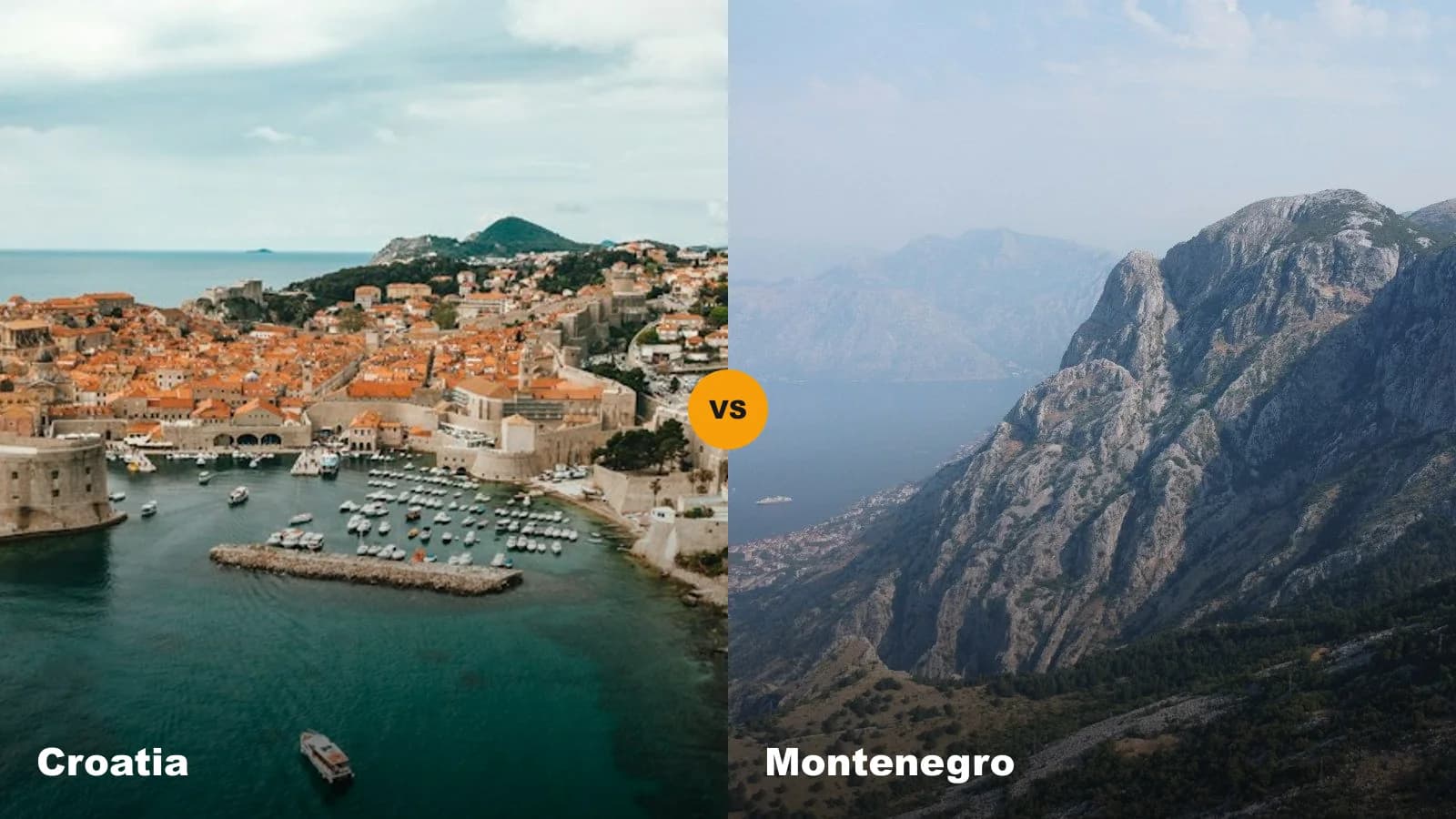
Croatia vs Montenegro travel comparison beaches towns costs 2026
Adriatic debate: islands and nightlife in Croatia vs bay views and compact trips in Montenegro. Beaches, towns, and 2026 costs.
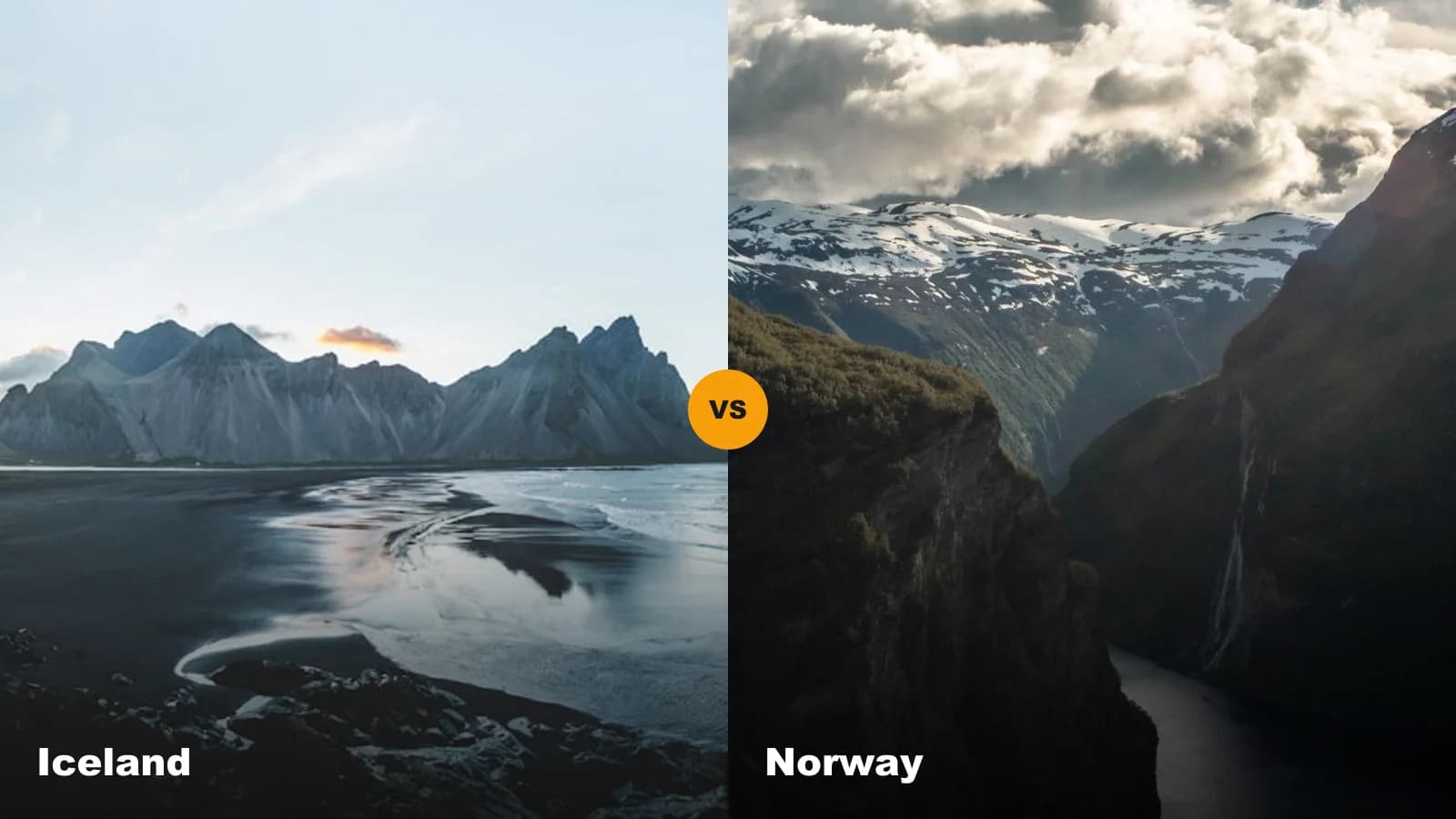
Iceland vs Norway travel comparison nature roads costs 2026
Waterfalls and Ring Road loops vs fjords and scenic trains. Nature, driving, seasons, and costs for Nordic friend trips.